Why Israel has the most technologically advanced military on Earth

In 1950, just two years after the state of Israel was founded, the country’s first commercial delegation set off for South America.
Israel desperately needed trading partners. Unlike its Arab adversaries, Israel did not have natural resources to fund its economy. There was no oil or minerals. Nothing.
The delegation held a couple of meetings but was mostly met with laughs. The Israelis were trying to sell oranges, kerosene stove tops and fake teeth. For countries like Argentina, which grew its own oranges and was connected to the electrical grid, the products were pretty useless.
It’s hard to imagine this is what Israeli exports looked like a mere 67 years ago. Today, Israel is a high-tech superpower and one of the world’s top weapons exporters with approximately $6.5 billion in annual arms sales.
Since 1985, for example, Israel is the world’s largest exporter of drones, responsible for about 60 percent of the global market, trailed by the US, whose market share is under 25 percent. Its customers are everywhere — Russia, South Korea, Australia, France, Germany and Brazil.
In 2010, for example, five NATO countries were flying Israeli drones in Afghanistan. How did this happen? How did Israel, a country not yet even 70 years old, become a superpower with one of the most technologically advanced militaries in the world that is changing the way modern wars are fought?
The answer, I believe, is a combination of a number of national characteristics unique to Israel.
First, despite Israel’s small size, about 4.5 percent of its GDP is spent on research and development, almost twice the Organization for Economic Cooperation and Development average. Of that amount, about 30 percent goes to products of a military nature. By comparison, only 2 percent of German R&D and 17 percent of US R&D is for the military.
Another major contribution is the culture of innovation and creativity in Israel. Israelis are more willing to take risks than other nations. They get this from their compulsory military service during which they are tasked, at a young age, to carry out missions often with deadly consequences.
While Israeli 19-year-olds embark on operations behind enemy lines, their Western counterparts can be found in the safety of their college dormitories.
Lastly, Israel has been in a perpetual state of conflict since its inception, fighting a war almost every decade. This reality, of having your back against the wall, sharpens the mind. It forces Israelis to be creative and come up with innovative ways and weapons to survive.
This is the Israel story …

Robotic border patrols

The Guardium is a part of a new category of robotic weapons known as Unmanned Ground Vehicles or UGVs. Israel is the first country in the world using these robots to replace soldiers on missions like border patrols.
Already, Guardium UGVs are deployed along Israel’s border with Syria in the north and the Gaza Strip in the south.
The Guardium is based on a Tomcar dune-buggy-like vehicle and equipped with a range of sensors, cameras and weapons. It can be driven by a soldier sitting in a command center miles away or receive a pre-designated route for its patrol, making it completely autonomous.
An IDF unmanned ground vehicle, called a Guardium, patrols the border with the Gaza Strip.IDF
The increasing use of robots by the Israel Defense Forces is part of a larger strategy to minimize risk to soldiers when possible. In addition, soldiers require breaks, food and water. All a Guardium needs is a full tank of gas. Other UGVs in use by the IDF include the Segev, which is based on a Ford F-350 pickup truck.
Facing terrorists who use tunnels to infiltrate into Israel from places like the Gaza Strip, Israel is also relying on UGVs like robotic snakes to slither into underground passageways and enemy headquarters. The robots will then map out the structures, giving soldiers an accurate picture of a battle area before the place is stormed.
The same is happening at sea. Israeli defense contractor Rafael has developed an unmanned patrol ship called Protector which is being used by Israel to protect its strategic ports and patrol the country’s long Mediterranean coastline.

The Arrow anti-missile program

In 2000, the Israeli air force received its first operational Arrow missile battery, making Israel the first country in the world with an operational system that could shoot down incoming enemy missiles.
The idea to create the Arrow was born in the mid-1980s after US President Ronald Reagan floated his Star Wars plan and asked America’s allies to partner in developing systems that could protect the country from Soviet nuclear missiles.
The Arrow was a revolutionary idea. Due to Israel’s small size and lack of territory, all ballistic missiles deployed in the region — by Syria, Iraq and Iran — can reach anywhere within the country and pose a strategic and possibly even existential threat. Israel, the developers argued, needed a system that could shoot down enemy missiles over neighboring countries and provide overall protection for the tiny Jewish state.
An Arrow missile batteryIDF
The program had its ups and downs but got a huge boost in funding after the First Gulf War in 1991, when Saddam Hussein fired 39 Scud missiles into Israel, paralyzing the country and forcing millions of Israelis into bomb shelters with their gas masks.
The Arrow was just the beginning. Today, Israel has the Arrow, which is partially funded by the United States, to intercept long-range ballistic missiles, David’s Sling to intercept medium-range rockets and cruise missiles as well as the combat-proven Iron Dome, which has intercepted hundreds of Katyusha rockets fired from the Gaza Strip in recent years.
Israel is the only country in the world that has used missile defense systems in times of war. These systems do more than just save lives. They also give the country’s leadership “diplomatic maneuverability,” the opportunity to think and strategize before retaliating against rocket attacks.
While other countries have also invested in missile defense, none has created a multi-tier architecture like Israel.

Mini spy satellites

In 1988, Israel launched its first spy satellite into space, gaining membership in the exclusive club of just eight nations with independent satellite-launching capabilities.
From the beginning, there were those who doubted Israel was capable of developing, building and launching its own satellite, but in the nearly 30 years since that day, it has grown into a satellite superpower, now operating eight different spy satellites in space.
This is a critical capability considering the threats Israel faces from countries like Iran, which it still suspects is planning one day to build a nuclear weapon.
Israel has shied away from building big satellites and instead designs what are known as “mini satellites,” which weigh about 300 kilograms (661 pounds) in comparison to America’s 25-ton satellites.
Israel’s spy satellites are split into two categories.
A model of Israel’s Tecsar satellite, which uses radar instead of a camera to create high-quality imagesIAI
Most of Israel’s satellites come with advanced high-resolution cameras like the Ofek-9, launched in 2010, which can discern objects as small as 50 centimeters (20 inches) from hundreds of miles away.
Israel’s other category of satellites are known as the TecSar. These satellites use a synthetic aperture sensor, basically a radar system that can create high-resolution images at almost the same quality as a regular camera.
The advantage this technology provides Israel is tremendous. A camera cannot see through clouds or fog, but radars can work in all weather conditions and can even see through camouflage nets. What this means is that Israel has the ability to track its enemies and gather intelligence on them at all times of the day and through rain, fog or clouds.
Israel’s success in developing state-of-the-art satellites has caught the world’s attention. In 2005, the French entered a strategic partnership with an Israeli company to develop a satellite, and in 2012, Italy ordered a reconnaissance satellite, paying $182 million. Singapore and India have also reportedly purchased Israeli satellites over the years.

Drones

It is referred to in Israel as the “drone that can reach Iran.” The Heron TP is Israel’s largest unmanned aerial vehicle with an 85-foot wingspan, the same as a Boeing 737 airliner. It can stay airborne for 24 hours and carry a 1-ton payload.
While Israel doesn’t openly admit it, the Heron TP is believed to also be capable of launching air-to-surface missiles.
Israel was the first country in the world to operate drones in combat operations. Its first use of drones was in 1969, when the Israel Defense Forces flew toy airplanes with cameras glued to their bellies along the Suez Canal to spy on Egypt. In 1982, it flew its first combat drone, called Scout, in Lebanon, where they played a key role in locating and neutralizing Syrian anti-aircraft missile systems.
A Heron TP drone takes off in Israel.IAI
That operation caught the world’s attention, and in 1986, Israel supplied the US Navy with its first drone, known as the Pioneer. A few years later, one Pioneer made history when it flew over a group of Iraqi soldiers during the First Gulf War. The soldiers saw the aircraft, took off their white undershirts and waved them in the air. It was the first time in history that a military unit had surrendered to a robot.
Israel’s drones have revolutionized the modern battlefield. They cost a fraction of a manned fighter jet — some as little as a few million dollars — and participate today in every single operation conducted by the IDF.
Drones give soldiers the ability to make calculated decisions before invading territory or storming enemy compounds.
Before Israel bombs a building in the Gaza Strip, for example, it always has a drone in the air to ensure that civilians are not inside. They also reportedly fly almost daily over Lebanon, tracking fighters for Hezbollah, which is believed to have about 130,000 missiles capable of striking Israel.

The top-secret tank

To this day, the Merkava tank is one of Israel’s most top-secret projects. It is said to be one of the most lethal and protected tanks in the world, and its construction started out of pure necessity — the United Kingdom and other countries refused to sell Israel tanks. So in the 1970s, it started to build its own.
The newest model — known as the Merkava Mk-4 — is the most impressive. It can reach speeds of 40 mph and comes with a new modular armor kit, meaning that the tank can be fitted with the armor it needs based on the specific mission it is heading into.
A Merkava tank during a drill with IDF soldiers in northern IsraelIDF
An area, for example, known to be full of anti-tank missile squads requires heavy armor, while an operation without the threat of anti-tank missiles means less. This also allows tank crews to replace damaged pieces of armor on the battlefield without having to bring the full tank back to a repair shop inside Israel.
In 2012, the Merkava underwent its biggest change yet when a new system — called Trophy — was installed on the tank. Trophy is an active-protection system, basically a personal missile defense system for an individual tank.
Trophy uses a miniature radar to detect incoming anti-tank missiles and then fires a cloud of countermeasures — basically metal pellets — to intercept them. The radar also interfaces with the tank’s battle management system. This means that once a missile launch is detected, the coordinates of the enemy squad that fired the missile are immediately obtained, allowing the tank to retaliate quickly and accurately.
Yaakov Katz is co-author of “The Weapon Wizards: How Israel Became a High-Tech Military Superpower” and editor-in-chief of the Jerusalem Post.

The CEO of the Decade

Of all the corporate leaders who have made a mark, who is most deserving of the title "CEO of the Decade"?
Past choices include Jack Welch, who successfully turned around GE. However, he also created the practice of forced ranking, which nearly destroyed the technology industry. Another was Steve Jobs, who successfully turned around Apple but had a reputation for being cruel and vindictive.
Historically the focus in choosing CEO of the decade has been on their financial accomplishments, but that approach has left us in a world lacking diversity and empathy in positions of power -- particularly noticeable in the tech industry -- and one where global climate change may end the human race.
I think the criteria for CEO of the decade should change. The focus should be on diversity and inclusion, empathy, security and environmental protection. With that in mind, I selected a field of candidates and named my pick for CEO of the decade.
I'll close with my product of the week: a robotic bartender that I now view as one of the best gifts I ever got, because it looks better the more I use it.
Following are my CEO of the Decade candidates, listed in no particular order.

Lisa Su, AMD

Lisa Su, CEO of AMD
Lisa Su
CEO of AMD
A female CEO in a male-driven market, Lisa Su turned a struggling company into an industry powerhouse. She strategically moved on opportunities ignored by AMD's major competitor, Intel, and through sheer grit and focus was able to advance more successfully than her male predecessors did, and she did it sustainably.
Proving that a woman not only could perform well as an engineer but also could lead an engineering company successfully, Su is a poster child for the idea that women can compete head-to-head with men, a concept that largely defined the last decade.

Ginni Rometty, IBM

Ginni Rometty, CEO of IBM
Ginni Rometty
CEO of IBM
If there is a company that defined male dominance over the decades, it is IBM. Rising to the top of that company as a woman should have been nearly impossible, but Ginni Rometty did that.
Her efforts have focused on making IBM greener in its execution, more diverse in its hiring and promotions, and more focused on making the world a better place.
IBM's efforts to train ex-veterans, to bring women who had to leave the workforce back into it, and to address the education shortfall in STEM for both men and women have been inspirational.
While IBM's performance could be stronger, the company has become a shining light for its efforts on diversity and on addressing the critical problems facing the nation and the world under Rometty's leadership.

Michael Dell, Dell Technologies

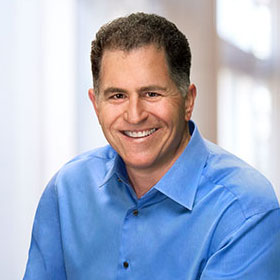
Michael Dell, CEO of Dell Technologies
Michael Dell
CEO of Dell Technologies
On the financial performance vector, it would be hard not to select Michael Dell. During the past decade, he turned Dell from a PC company into what arguably is the most powerful full-service technology company in the segment, by successfully executing the merger with EMC, effectively saving and strengthening that company.
Some of the credit also flows to Jeff Clark, his No. 2. Credit also goes to Karen Quintos, Dell's chief customer officer, who has been driving the company's diversity efforts.
What stands out most with Michael is his personal promise to ensure that any woman who is mistreated at Dell will receive his protection, and that the abuser will receive the highest penalties Dell can impose. In a #MeToo World, he is one of the folks fighting the good fight and standing up to be counted.

Pat Gelsinger, VMware

Pat Gelsinger, CEO of VMware
Pat Gelsinger
CEO of VMware
When it comes to empathy, Pat Gelsinger always has topped my list of executives who care about their people and customers. Had Intel chosen him as CEO rather than forcing him out, the firm would be far stronger today and far more aligned with its customers.
We need far fewer psychopathic quarterly return-focused CEOs and far more CEOs like Pat, who care about their folks. Pat's success with VMware showcases that you don't have to do one or the other -- you can do both.
The result is not only a more successful company, but also one that is far more supportive of the real people who depend on it for their salaries and solutions.

John S. Chen, BlackBerry

John Chen, CEO of BlackBerry
John Chen
CEO of BlackBerry
One of the biggest exposures to the world that emerged this last decade had to do with the lack of a security focus on our increasingly artificial intelligence-driven planet. Particularly as you look at things like autonomous cars, connected cities and smart houses, the risks of being compromised have reached a deadly potential at a nation-state level.
John Chen pivoted BlackBerry from a phone company to a security company capable of addressing this global threat. The move from smartphones to security was a difficult pivot, but it was necessary for the safety, security and survival of the human race in the coming years.
As the only company offering applied solutions to things like mass shootings at scale, BlackBerry remains focused on guarding against a dystopian future.

Elon Musk, Tesla and SpaceX

Elon Musk, CEO of SpaceX and Tesla
Elon Musk
CEO of SpaceX and Tesla
If we define the last decade as one of pushing to insane levels and multitasking at an unbelievable scale, then Elon Musk comes to mind as the ideal candidate. He has almost single-handedly driven the automotive market to become greener and more focused on pure electric cars.
He is driving the effort to take us to space if we can't fix global warming. If I had to name one guy who is working at an incredible level to change the world, it would be Musk.
However, he also has a reputation for being abusive, and that is why he is not a shoo-in as my pick for CEO of the decade. Musk has more impact than any other CEO, but I find his over-the-top vindictive behavior unacceptable in a leader for this century.

CEO of the Decade: Chuck Robbins, Cisco

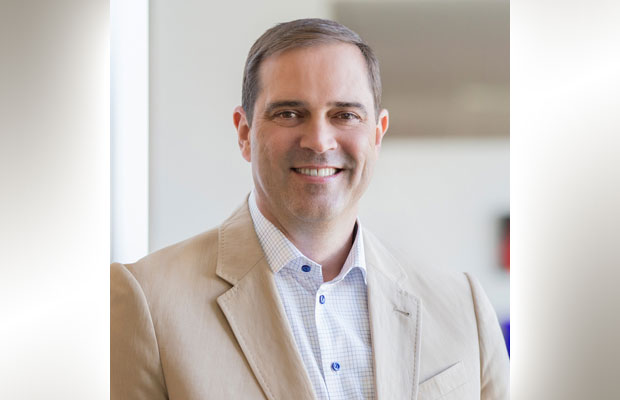
Chuck Robbins, CEO of Cisco

Cisco is a company that came up through acquisitions, and acquisitions tend to be pretty harsh on the acquired company employees. This approach can lead to a certain lack of empathy for those employees over time.
Chuck Robbins is the exception to that rule, aggressively ensuring that employees have time to do what they care about -- and often what they care about is making the world a better place.

Cisco's corporate responsibility effort, led by Tae Yoo, has been inspired. Its employee efforts under Francine Katsoudas are unmatched in terms of making the world -- and Cisco -- a better place.
Unlike most companies, Cisco started its diversity effort at the top, not the bottom, ensuring its success. Doing it the other way reinforces the glass ceiling, making it even harder for women to advance to executive levels.
Cisco has more of the elements I was looking for than any other vendor. At its customer events, it weaves in efforts to drive good behavior with its audience, from using reusable water containers to preparing packages for homeless people. Its networking academies are bringing more people into the workforce to fill the U.S.' massive labor shortage.
Its disaster response teams move to all parts of the world to ensure that first responders can communicate and get to the people who need them in a timely and safe manner.
Cisco's efforts to spread its good corporate behavior to every employee exceed those of any other company I cover. It is the comprehensive effort at Cisco that led me to rank its CEO at the top.
Although he doesn't represent gender or ethnic diversity, Chuck Robbins is nonetheless the top CEO of a decade that was defined by efforts from states and companies to make the world a better, safer, and more diverse place.
In a decade often more defined by bad behavior by those in power than good behavior, Chuck's leadership of Cisco stands out, demonstrating that a company can do well while doing good.

By Rob Enderle

साइबर क्राइम


आज के समय में फोन और लैपटॉप जैसी सुविधाओं का इस्तेमाल तो हर कोई करता है. अब लैपटॉप हो या फोन बिना इंटरनेट के इस्तेमाल करना तो डब्बा लगता है. इंटरनेट के बारे में तो आप सभी जानते ही होंगे लेकिन साइबर क्राइम क्या है इस बात से अनभिज्ञ होंगे. 
देश दुनिया में बहुत सारे अलग-अलग क्राइम है उन्हीं में से एक है साइबर क्राइम जो फोन और लैपटॉप के जरिए किया जाता है. 
क्या होता है साइबर क्राइम?
यदि आप भी अपनी दिनचर्या के व्यवसाय से जुड़े अधिकतम काम इंटरनेट के जरिए करते हैं तो साइबर क्राइम के बारे में जानना आपके लिए बेहद आवश्यक है. क्योंकि इंटरनेट ही एक ऐसा जरिया है जो देश विदेश में बैठे लोगों को आपस में एक दूसरे के साथ जोड़ने और व्यवसाय को बढ़ाने का काम करता है ऐसे में धीरे-धीरे साइबर क्राइम भी बढ़ता जा रहा है. यदि सरल शब्दों में बात की जाए तो साइबर क्राइम एक ऐसा क्राइम है जिसमें कुछ अपराधी आपके फोन और इंटरनेट से कुछ अलग प्रकार के सॉफ्टवेयर का इस्तेमाल करके साइबर क्राइम को अंजाम देते हैं.
वे उन सॉफ्टवेयर और कुछ विभिन्न प्रकार के खतरनाक तरंग के जरिए आप के फोन और लैपटॉप से आपका सभी प्रकार का निजी डेटा चुरा लेते हैं उसे ही साइबर क्राइम कहा जाता है.
साइबर क्राइम के अंतर्गत इन चीजों की की जाती है चोरी
साइबर क्राइम के अंतर्गत अपराधी आपके फोन या लैपटॉप के सॉफ्टवेयर से अपने सॉफ्टवेयर को जोड़ देते हैं और उसके बाद आपके बिज़नेस से जुड़ी सभी जानकारी बैंक की जानकारी, कोई भी ऑनलाइन फ्रॉड आदि को भी अपराधी अंजाम देते हैं.
साइबर क्राइम के तहत अपराधी आपकी निजी पहचान तक चुरा लेते हैं और इसी अपराध के तहत छोटे बच्चों को भी गलत मार्गदर्शन प्रदान करते हैं. इन सबके अलावा कुछ अपराधी ऐसे भी होते हैं जो साइबर क्राइम के तहत देश में नफरत फैलाने का काम भी करते हैं.
साइबर क्राइम में अपराधी अपराध करने के लिए किस चीज का इस्तेमाल करते हैं?
सामान्य तौर पर साइबर क्राइम को अंजाम देने वाले अपराधी कंप्यूटर का इस्तेमाल करते हैं जिसमें वे कुछ गैरकानूनी तरीके से कुछ लोगों के कंप्यूटर व उनके सॉफ्टवेयर हैक कर लेते हैं या फिर उन्हें ट्रैक करके उनके कंप्यूटर में मौजूद सभी जानकारी को चुरा लेते हैं. वे उस व्यक्ति के बैंक अकाउंट की सभी जानकारी चुराकर उनके बैंक से पैसा तक का गबन कर लेते हैं.
साइबर क्राइम के प्रकार
  • हैकिंग – हैकिंग एक ऐसी प्रक्रिया है जिसमें कोई व्यक्ति गैरकानूनी रूप से किसी व्यक्ति की निजी जानकारियों में बिना अनुमति के घुस जाता है. उसके लिए कुछ अपराधी ऑर्गेनाइजेशन एथिकल हैकर को ढूंढते हैं और उन्हें किसी एक व्यक्ति के सॉफ्टवेयर को हैक करने के लिए पूरी जानकारी प्रदान करते हैं. उनके जरिए वे उनकी वेबसाइट की सिक्योरिटी को तोड़ देते हैं और पूरी तरह से हैक कर सकते हैं इसके अलावा वे उनके सोशल मीडिया एक्सेस को भी हैक करके उनकी पहचान को इस्तेमाल कर सकते हैं. इस क्राइम की सबसे बड़ी बात तो यह है कि उस कंप्यूटर ऑनर को भी इस बात का पता नहीं चलता है कि कोई हैकर उनके कंप्यूटर में मौजूद सभी प्रकार की जानकारी इस्तेमाल कर रहा है और उनके ही नाम से चला रहा है.
  • चोरी – साइबर क्राइम के अंतर्गत चोरी भी की जाती है अब आप सोचेंगे कि इसमें चोरी कैसे कर सकते हैं ?
  • साइबर क्राइम के अंतर्गत यदि आप कॉपीराइट अधिकारों का उल्लंघन करते हुए कुछ कॉपीराइटेड फिल्में, गेम, सॉफ्टवेयर या गाने डाउनलोड करके अपने पर्सनल काम के लिए इस्तेमाल करते हैं तो उसे साइबर क्राइम में चोरी कहा जाता है. वे बिना उनके मालिक की अनुमति के उनके अधिकार के अंतर्गत आने वाले सभी उन चीजों को चुरा लेते हैं जो उन्होंने स्वयं बनाई हो और उसके लिए अपने नाम का कॉपीराइट खरीदा हो. वे अपराधी इस अपराध को कर भी लेते हैं और उन फिल्म और गेम के मालिकों को इस बात का पता तक नहीं चलता है. यदि उनको यह पता लग जाता है तो वे इसके खिलाफ एक्शन लेते हैं, और इसे गैरकानूनी डाउनलोड मानते हुए साइबर क्राइम के अंतर्गत दंडनीय माना जाता है.
  • साइबर स्टॉकिंग – यह क्राइम मुख्य रूप से सोशल मीडिया पर देखने को मिलता है जिनमें से फेसबुक, इंस्टाग्राम, ईमेल साइट आदि सम्मिलित किए जाते हैं. इसके अंतर्गत अपराधी ऐसे लोगों को परेशान करते हैं जिनमें या तो कोई छोटे बच्चे हो या फिर टीनएजर्स शामिल हो. उनके साथ हुए अभद्र प्रकार की चैट करते हैं या फिर उन्हें उल्टी-सीधी पिक्चर्स भी भेजते हैं. ऐसे में उन बच्चों में ज्यादा समझदारी नहीं होती है कि वह इंटरनेट का इस्तेमाल सही प्रकार से कैसे करें ऐसे में वह उसका शिकार हो जाते हैं और सामने वाला अपराधी उन्हें बार-बार अलग अलग आईडी से परेशान करता रहता है और उन्हें ब्लैकमेल करता है. आज के समय में यह बहुत आम बात हो गई है परंतु यह साइबर क्राइम के अंतर्गत आता है यदि कोई पीड़ित व्यक्ति इसके खिलाफ रिपोर्ट लिखवाता है तो तुरंत ही इस पर एक्शन भी लिया जाता है.
  • पहचान चुरा लेना – यह फ्रॉड उन व्यक्तियों के साथ होता है जो एक उच्च दर्जे पर बैठे होते हैं और दिन प्रतिदिन उनकी सभी प्रकार की विभिन्न कैश ट्रांजैक्शन बैंक या उनके क्लाइंट के साथ होती रहती है. ऐसे में उनका कोई करीबी या कोई जानकार व्यक्ति उनके साथ अपराध करता है और उनके अकाउंट से जुड़ी सभी जानकारी को चुपचाप चुरा लेता है. फिर उनके बैंक क्रेडिट कार्ड एटीएम कार्ड आदि का नंबर प्राप्त करने के बाद भी उसके बैंक अकाउंट से पैसों का गबन करता है जिसका खाताधारक को पता भी नहीं चलता है. जबकि यह एक बहुत बड़ा साइबर क्राइम है जिसमें खाताधारक को बहुत बड़ी वित्तीय स्थिति से गुजरना पड़ सकता है.
  • वायरस सॉफ्टवेयर – कुछ सॉफ्टवेयर और नेटवर्क ऐसे होते हैं जो देखने में तो बेहद आकर्षित होते हैं परंतु यदि उन्हें अपने फोन या कंप्यूटर में डाउनलोड कर लिया जाए या फिर उन पर क्लिक किया जाए, तो उसके जरिए सरकार द्वारा आपके कंप्यूटर और फोन को पूरी तरह से हैक कर लिया जाता है. ऐसे में वे आपके कंप्यूटर और फोन की संपूर्ण जानकारी प्राप्त कर लेते हैं और आपके सभी अकाउंट का एक्सेस भी उन्हें मिल जाता है. यह क्राइम आजकल बहुत ही आम देखने को मिल जाता है जो साइबर क्राइम में बहुत बड़ा अपराध है. 
  • साइबर स्पाइंग – साइबर स्पाइंग के अंतर्गत कुछ ऐसे बड़े होटल के बाथरूम और कमरे के बेडरूम में चुपके से कुछ छोटे-छोटे कैमरे लगा दिए जाते हैं. उन कैमरो में उन लड़कियों के कुछ अश्लील फोटो और वीडियोस रिकॉर्ड कर लिए जाते हैं जो वहां पर कुछ देर के लिए रुकने आती हैं. ऐसा ही कुछ शॉपिंग मॉल या फिर कुछ गारमेंट की दुकानों पर भी किया जाता है जहां पर लड़कियां ड्रेस चेंज करके अपनी फिटिंग चेक कर रही होती हैं. उनकी पिक्चर्स और वीडियोस को लेकर उन लड़कियों को ब्लैकमेल किया जाता है जो एक साइबर क्राइम का बहुत बड़ा दंडनीय अपराध है.
  • सोशल मीडिया से फोटो चुराना – साइबर क्राइम के अंतर्गत कुछ लोग ऐसा भी करते हैं कि किसी लड़की के सोशल मीडिया अकाउंट उसके पिक्चर्स को चुरा लेते हैं और उन्हें पिक्चर्स को लेकर वे उन लड़कियों को ब्लैकमेल करना शुरू कर देते हैं. इस चीज का शिकार कई औरतें, लड़कियां और बच्चे होते हैं.
  • साइबर बुल्लयिंग – इनमें कुछ विभिन्न प्रकार के मामले देखने  को मिलते हैं जिनमें अपराधी लड़के अलग-अलग जगहों की लड़कियों के साथ सोशल मीडिया के जरिए दोस्ती कर लेते हैं. धीरे-धीरे उन से मेलजोल बढ़ाने के बाद भी उनसे संबंध बनाने के लिए जिद करते हैं और आखिर में राजी भी कर लेते हैं. अपराधी उनके कुछ अश्लील फोटो व वीडियोस बना लेते हैं जिनके बाद उन्हें ब्लैकमेल करना शुरू कर देते हैं. इसके अतिरिक्त वे उन्हें यह धमकी भी देते हैं कि वे उनकी यह तस्वीरें और वीडियो सोशल मीडिया पर अपलोड कर सकते हैं ऐसे में पीड़िता डर जाते हैं और कोई गलत कदम भी उठा लेते हैं. इसे साइबर बुल्लयिंग कहा जाता है जिसके तहत अपराधी को दंड भी दिया जाता है.
भारत में साइबर क्राइम अधिक होने की वजह
कोई भी अपराध तब जन्म लेता है जब हमें उस अपराध से जुड़ी कोई भी जानकारी उपलब्ध नहीं होती है. तो ऐसे में साइबर क्राइम को और अधिक बढ़ावा मिलता है और कुछ लोगों को तो यह भी नहीं पता चलता कि वह साइबर क्राइम का शिकार हो चुके हैं. आज के समय में इंटरनेट का इस्तेमाल तो प्रत्येक व्यक्ति भरपूर करता है. परंतु साइबर क्राइम के प्रति जागरूक ना होने की वजह से साइबर क्राइम का शिकार अधिकतर महिलाएं ही बनती हैं. भारत के आंकड़ों के अनुसार देखा जाए तो भारत की एक तिहाई महिलाएं साइबर क्राइम का शिकार बन चुकी है जिनमें से 35 फ़ीसदी महिलाएं ऐसी हैं जिन्होंने अपने ऊपर हुए साइबर क्राइम की शिकायत दर्ज कराई है. इसके अलावा कुछ महिलाएं ऐसी भी हैं जिन्होंने अब तक अपने ऊपर हुए साइबर क्राइम की कोई भी शिकायत कहीं पर दर्ज नहीं कराई है उन आंकड़ों के तहत 46.7 फ़ीसदी महिलाएं इस आंकड़े में आती हैं. चौका देने वाली बात तो यह है कि 18.3 फ़ीसदी महिलाएं ऐसी भी है जिनके साथ साइबर क्राइम हुआ है लेकिन उन्हें इस बात का अंदाजा तक नहीं है. यह अपराध आज के समय में अपने चरण तक पहुंच चुका है और इसका सबसे बड़ा कारण है साइबर क्राइम के प्रति जागरूक ना होना.
साइबर क्राइम से बचने के उपाय
माना इंटरनेट के बिना कोई काम नहीं हो सकता है लेकिन सावधानी बरतें बिना कोई काम करना आपके लिए हानिकारक भी साबित हो सकता है. इसलिए नीचे दिए गए सभी उपायों को यदि आप ध्यान से पढ़ते हुए अपने जीवन में अपनाएंगे तो आप कभी भी साइबर क्राइम का शिकार नहीं हो पाएंगे.
  • एक सुरक्षित इंटरनेट सेवा का ही उपयोग करें – हम अक्सर फ्री का इंटरनेट मिलते ही उसे इस्तेमाल करने लग जाते हैं जबकि आपको यह पता होना चाहिए कि कोई भी फ्री में मिलने वाली इंटरनेट आपके लिए हानिकारक हो सकता है. क्योंकि कुछ ऐसे वाईफाई भी होते हैं जिनका इस्तेमाल करने से आपके फोन की सभी निजी जानकारी चुरा ली जाती है. इसलिए सदैव किसी भी फ्री मिलने वाई-फाई सुविधा से बचें.
  • मजबूत पासवर्ड का उपयोग करें – सदैव अपनी निजी जानकारियों से जुड़ी सभी एप्लीकेशन में एक मजबूत पासवर्ड लगाएं. ऐसा नहीं होना चाहिए कि आप अपने एक ही पासवर्ड को सालों तक इस्तेमाल करते रहे बल्कि आपको अपना पासवर्ड नियमित रूप से बदलते रहना चाहिए ताकि कोई भी उसे क्रैक ना कर सके. इससे आप साइबर क्राइम का शिकार होने से बच सकते हैं.
  • अपने सॉफ्टवेयर को अपडेट रखें – आपके साथ साइबर क्राइम से जुड़ी दुर्घटना ना हो इसके लिए सबसे महत्वपूर्ण है कि आप अपने ऑपरेटिंग सिस्टम और इंटरनेट के सॉफ्टवेयर को पूरी तरह से अपडेट रखें. यदि आप अपने सॉफ्टवेयर को नियमित रूप से अपडेट रखेंगे तो कोई भी हैकर आपके सॉफ्टवेयर से आपका कोई भी पर्सनल डाटा नहीं चुरा पाएगा.
  • अपनी सोशल मीडिया की सेटिंग प्रतिबंधित रखें – आज के समय में सोशल मीडिया हर व्यक्ति की एक अपनी पहचान है. और सबसे बड़े साइबर क्राइम भी सोशल मीडिया के जरिए ही अंजाम दिए जाते हैं ऐसे में आपके लिए सबसे महत्वपूर्ण यह है कि आप अपने सभी प्रकार के सोशल मीडिया अकाउंटओं पर पूरी तरह से अपनी जानकारी प्रतिबंधित करके रखें. सबसे महत्वपूर्ण बात यह है कि अपने सोशल मीडिया अकाउंट की जानकारी सिर्फ उन्हीं लोगों को दें जो आपके विश्वसनीय हैं. कोई भी अनजान आदमी आपके सोशल मीडिया अकाउंट में दाखिल होकर आपसे जुड़ी जानकारी का गलत इस्तेमाल ना कर सके इसलिए अपने अकाउंट से जुड़ी सभी जानकारी प्रतिबंधित करके अवश्य रखें.
  • अपने बच्चों को इंटरनेट के बारे में बताएं – आज के समय में साइबर क्राइम के शिकार छोटे-छोटे बच्चे बन रहे हैं क्योंकि उन्हें इंटरनेट के बारे में संपूर्ण जानकारी नहीं होती है जिसकी वजह से वे जल्द ही भटक जाते हैं. ऐसे में अच्छे माता-पिता का कर्तव्य बनता है कि अपने बच्चों को इंटरनेट से जुड़ी सभी जानकारियां विस्तार में अवश्य समझाएं ताकि उनके साथ कुछ भी गलत होने से पहले वे सतर्क हो सके.
  • अपनी वेबसाइट का रखें ध्यान – यदि आप एक व्यापारी हैं और अपनी एक वेबसाइट चलाते हैं तो अपनी वेबसाइट पर पूरी सुरक्षा के साथ सैटिंग करके रखें. यदि आपको छोटी सी भी गड़बड़ नजर आए तो तुरंत अपनी वेबसाइट का पासवर्ड बदल दे.
  • अपने निजी जानकारी सोशल मीडिया पर शेयर करने से बचें – आज के समय में बड़े हो या बड़े सभी लोग खुद से जुड़ी सभी जानकारी सोशल मीडिया के जरिए अपलोड करते हैं. ऐसे में कुछ स्टॉकर आपकी प्रोफाइल पर ध्यान रखते हैं और आप को फॉलो करने लगते हैं. अपनी कोई भी मेल आईडी और किसी भी प्रकार की जानकारी सोशल मीडिया पर अपलोड करने से आप कभी भी खतरे में पड़ सकते हैं. आप किस समय कहां पर जा रहे हैं और क्यों जा रहे हैं ऐसी कोई भी पोस्ट अपने सोशल मीडिया अकाउंट पर शेयर ना करें ताकि आप साइबर क्राइम से बच सकें.
साइबर क्राइम से पीड़ित होने के बाद क्या करना चाहिए?
  • जैसे ही आप को पता चलता है कि आप साइबर अपराध के शिकार हो गए हैं ऐसे में सबसे पहले आपको धैर्य से काम लेना चाहिए.
  • अपने साथ हुई दुर्घटना के बारे में घर में मौजूद अपने बड़ों को पूरी सूचना दें ताकि वे आपको सही सलाह दे सकें.
  • यदि आप समझ चुके हैं कि आपके साथ कोई कुछ गलत कर रहा है या करने वाला है तो आपको तुरंत ही पुलिस की मदद लेनी होगी.
  • साइबर क्राइम के खिलाफ रिपोर्ट लिखने के लिए हर जगह पर अलग-अलग पुलिस स्टेशन बनाए गए होते हैं जहां पर आप की शिकायत दर्ज करने के बाद कार्यवाही आरंभ कर दी जाती है.
  • यदि आप अपने बैंक से जुड़ी किसी भी प्रकार की धोखाधड़ी की जानकारी प्राप्त करते हैं तो तुरंत अपने बैंक से संपर्क करें और उन्हें अपने क्रेडिट, डेबिट और अन्य कार्ड बंद करने के लिए अर्जी करें.
  • अपने सोशल मीडिया अकाउंट से जुड़ी कोई भी चोरी होने की जानकारी आपको तुरंत फेसबुक फीडबैक के जरिए फेसबुक कंपनी तक पहुंचा देनी चाहिए ताकि आपके अकाउंट का कोई भी गलत इस्तेमाल ना कर सके.
  • इसके अलावा यदि आपके साथ कोई और धोखाधड़ी होती है और साइबर क्राइम के तहत रहे अपराध है तो उसकी जानकारी आप एफटीसी तक पहुंचा सकते हैं. ताकि वह तुरंत आपके साथ हुए धोखाधड़ी पर कार्यवाही आरंभ कर सके.
भारत में होने वाले साइबर क्राइम की मुख्य जड़
 झारखंड राज्य में स्थित 1 जिले का नाम जामताड़ा है.  इस जिले को भारत में होने वाले प्रत्येक साइबर क्राइम का गुनाहगार माना जाता है. भारत के अब तक 80 फ़ीसदी साइबर क्राइम होने की वजह से इस जिले में रहने वाले लोगों को माना जाता है.  ऐसा बताया जाता है कि जामताड़ा में रहने वाले इन लोगों ने साइबर क्राइम की शुरूआत साल 2013 से की थी.  यह लोगों को एक फोन कॉल के जरिए ठग लिया करते थे जिसका पता पुलिस को चलते ही वे इस जिले के कई अपराधियों को तो गिरफ्तार कर चुके हैं परंतु आज भी वहां पर कुछ लोग ऐसे हैं जो मिनटों में आपके खाते से पैसा गायब करने में माहिर हैं.
जामताड़ा के रहने वाले ठग आपको कॉल करके आपके अकाउंट से जुड़े सभी डिटेल आपको बातों में उलझा कर प्राप्त कर लेते हैं और उसके बाद आपके बैंक अकाउंट से पैसे उड़ा ले जाते हैं.  उनकी ठगी का शिकार आज तक बहुत बड़े-बड़े दिग्गज अभिनेता और नेता भी बन चुके हैं जिनमें बॉलीवुड के महानायक अमिताभ बच्चन,  मुख्यमंत्री अमरिंदर सिंह की पत्नी, सांसद परनीत कौर, केंद्रीय मंत्री, और केरल के एक सांसद आदि.
आज के समय में साइबर क्राइम से बचना जितना आसान है उतना ही साइबर अपराध को अंजाम देना भी आसान है बस आपकी छोटी सी सतर्कता आपको साइबर क्राइम से बचा सकती है. इसलिए सदैव इंटरनेट से जुड़ी किसी भी जानकारी का इस्तेमाल करने से पहले उसके बारे में पूरी तरह से जांच पड़ताल अवश्य कर ले. आपकी एक छोटी सी गलती आपको एक बहुत बड़े जाल में फंसा सकती है और हमेशा के लिए आपको बर्बाद भी कर सकती है.

"Trending Spear Phishing"


What is next on Phishing Front?  It is AI Powered Spear Phishing.

How hackers will use machine learning to sharpen the spear?
For hackers, spear phishing has always been a tradeoff. But that’s coming to an end. Artificial intelligence will enable the creation of large volumes of targeted messages meant to steal user credentials.

What is phishing?
Sending emails, text messages, and other communications that trick users to click on a malicious link often with the end goal of obtaining the user’s ID and password and in some cases lock the system and release it for a ransom.

What is spear phishing?
Similar to phishing, except the messages are much more targeted, increasing the chances of the user falling for the attack.

How Hackers Spear Phish?
  • Gather information about the target.  Both online and offline.  In many cases, the hackers gather information about you, your colleagues and your boss.
  • Craft a high-quality, personalized message based on the above information, which makes it look genuine.
  • Send the message with a link to malicious software.
  • Let the linked software/website steal the user's credentials.

The Spear Phishing is a bit laborious for the hackers but it has increased the success rates of attacks compared to Normal Phishing which is like throwing a dart in the dark. Gathering information is time-intensive.  AI Helps the hackers in this by gathering information from
  • Personal information such as work relationships as shared by users or available in public domain.
  • Events and planned activities shared on social media platforms.
  • Tone of communication on the Social Media platforms.
With all these the content is fabricated to communicate the need and a sense of urgency, to which the victim falls prey.

By using security servers, clean messages which get delivered to  your mailboxes is only around 15%.  Rest 85% of potential spams, mails from potential unsafe domains etc are blocked at Messaging Gateway.  Even in the 15% so called clean messages, quite a lot of SPAMs sneak in. But the fact is that the Hackers are always one step ahead of the security mechanisms.

How to be careful?
  • Check on what you share on Social Media Platforms.  Don’t share any personal or specific information which the hacker can use to dig more info and come back to you with.
  • Do not share company information with anyone whom you don’t know  - like  market surveys, tele callers etc.
  • Stop the urgency to click on a link, which is shared with you on mail/sms/whatsapp.
  • Question unknown messages they receive.

Lastly, in case of any doubt, don’t act… get in touch with your cyber expert.

The Art Of Work Summary


The Art Of Work 


Favorite quote from the author:
The Art Of Work Summary
When spending a year abroad in Spain during college, Jeff Goins discovered his love for writing, traveling, and realized he really wanted to make an impact on the world, but didn’t think he had what it takes to be a writer.
Eventually, a friend told him: “Jeff, you ARE a writer. You just need to write.” He sat down to write the very next day, and he’s done so every day since then.
This has led him to publishing 4 books since 2012, The Art Of Work being his latest one, and a national bestseller. He’s quit his job at a non-profit organization in the meantime, and lives in Nashville with his wife, son and dog with the incredibly cool name “Lyric”.
Here are 3 great takeaways from The Art Of Work:
  1. Make a list of all major events in your life to find your calling.
  2. There is no such thing as “self-made”.
  3. Don’t sweat it too much – live a portfolio life!
Ready to get to work? Let’s go!

Lesson 1: Start looking for your true calling by making a list of life events.

From the get-go, Jeff doesn’t sugarcoat things. It’s not easy to find your life’s purpose. If it was, everybody would do it and we wouldn’t look at the grim fact that only 13% of all people worldwide actually like showing up for work.
But he instantly gives you some great starting points.
First of all, it’s a lot about awareness, self-awareness, to be exact.
If you don’t know yourself well, you might not see your life’s calling, even when it’s right in front of you. Our true purpose often suddenly hits us in the form of a very strong feeling in your gut or at a major event in life, for example a turning point. Think Luke Skywalker meets Obi-Wan Kenobi. That’s how he found out he had to become a Jedi.
Jeff suggests you start by making a simple list of all the major events in your life. 
Note however, that major does not mean important. Yes, the day you started high school should be on there, just like graduation or maybe your first kiss, but some events might seem random, even though you feel they’re important. Maybe you’re just out for a golf session, and the second you hit the ball and see it fly away in a perfect trajectory, you know that’s what your life as a writer would look like.
Go through the list and ask yourself: When was I the most happy? When did I feel fulfilled? What made me feel accomplished?
Your calling lies hidden in these moments, so go find them!

Lesson 2: There is no such thing as “self-made”.

Yes, motivational Instagram channels are great, but every time I read “self-made millionaire” I cringe a little bit.
Jeff says there is no such thing.
Why?
Because even the greatest of the greatest rely on teachers, mentors and guides. Warren Buffett had a mentor (Benjamin Graham), Michael Jordan had a coach, Justin Bieber had a vocal trainer and Jeff Bezos says he’s been mentored by the hundreds of people whose biographies he’s read.
Everyone you meet and everything you do is a chance to learn, so start seeking these people and opportunities.
No one achieves success alone, so you might as well start looking for the right people to help you along the journey now, rather than later.

Lesson 3: Live a portfolio life and don’t sweat it too much!

portfolio life is a term Jeff invented, and it describes a life in which you base your identity on a wide range of things, not just one.
For example Jeff isn’t only a writer, he’s also a husband and a father. Living a portfolio life means refusing to be defined by just your work.
In fact, Jeff says next to work there are also home, which is all about friends and family, play, which is all about having fun and purpose, which is your life’s grand work.
A portfolio life is a life of freedom, and it’s getting more and more popular. The numbers prove it – by 2020, more than 40% of all American workers will be freelancers, and by 2030 they’ll be the majority.
Freelancing means getting to do a wide variety of work and making your own hours. This working style allows you to spend a lot more time in flow, where work is challenging, but you’re doing great.
It’s this kind of work that builds the basis of living the life of your calling, and it’s best achieved when you don’t sweat work too much and focus on the great variety that life has to offer.

The Art Of Work Review

This summary is very short, but it carries some great advice points. However, The Art Of Work isn’t too long, roughly 200 pages, and Jeff has some heart-warming (and also very touching) stories to make his points.
Jeff works hard, but he’s the kind of guy that doesn’t forget about the important and fun things in life, like playing with his son or making time for his wife – it’s exactly this kind of life that he’s leading you towards with this book.
As a man of many passions and aspirations, I deeply appreciate that.
If you want to make an impact on the world, but still have the time to appreciate life along the way, go for this book!

What else can you learn from the blinks?

  • What the way to mastering your calling is
  • The one tip you can learn from people training in the gym about your work
  • Why you should treat your journey like a set of stairs, not an escalator
  • How to use your pivot foot in life and what that means
  • Why Einstein asked for his glasses on his deathbed
  • What your legacy looks like and how to set your life up right for it

Who would I recommend The Art Of Work summary to?

The 22 year old in the middle of choosing a career, who’s worried she might never find her passion, the 35 year old who’s frustrated by seeing so many “overnight” successes pop up in the news, and anyone who mostly defines their life through their work.

Leaders Eat Last Summary


Leaders Eat Last 


Favorite quote from the author:
leaders-eat-last-summary
Here are my 3 takeaways from this summary:
  1. Safety means progress.
  2. Responsibility means actually caring about people.
  3. Technology has turned us into performance addicts.
All of these deserve a thorough explanation, so here goes!

Lesson 1: Safety means progress. And leaders provide safety.

Think about the last time you made a lot of progress on a fun little side project of yours. Where there was nothing to gain but the joy of doing it.
Were you worried about paying that month’s bills?
Probably not.
The reason you could focus entirely on making progress on something you care about, is because your basic needs were already secured in that particular moment. Had they not, it would’ve been unlikely you could spend 8 hours playing guitar without worrying about them.
Our brain always defaults to safety mode, and the reason is simple: it had to in the past, or we wouldn’t be here.
Today all of our safety problems revolve around money, but our ancestors had tons of safety issues. They had to run away from saber-tooth tigers, hide from enemies, avoid diseases, and oh, hunt and gather their own food and find a place to stay.
Progress only started occurring once they moved around in groups and delegated tasks. When John takes care of collecting berries, and Jason hunts some wild boar, while Jenny finds a nice cave, Joshua can spend all his time crafting a new spear.
That’s why a leaders job is to provide safety to his followers, so they can focus on making progress towards their shared vision. The bigger the circle of safety around the group, the faster the progress.
For example, Google draws a pretty awesome circle of safety around its employees. Free food, ask-any-question meetings and 20% time for your own experiments are a pretty safe environment to be in.
Once you’re not worried about avoiding threats, you can start improving.

Lesson 2: Responsibility means truly caring about other people, so don’t get detached.

Let’s say you manage the finances of your company. In that case, your responsibility might be to “allocate the budget in a way that maximizes profits”.
But in reality, it’s your job to make sure the money goes to the people that will use it the best. Maybe you want to shut down a division. If so, you’re not only shutting down a part of the company, you’re robbing people of their safety, by firing them from their jobs.
This doesn’t mean you should try to save everyone, but you have to be aware that the consequences of your actions as a leader directly impact the lives of people.
That’s why empathy is the most important trait of a leader. If you can really put yourself into other people’s shoes, you will truly care about them, and thus be worth for them to follow you.
It’s easy to get detached when companies grow, and when that happens the consequences of your actions seem less real. Often leaders will then make decisions at other people’s expenses. 
For example in 2009 the Peanut Corporation of America knowingly shipped contaminated peanuts to maintain cashflow, causing a nationwide salmonella crisis.

Lesson 3: Technology has turned us into performance addicts, looking for the next dopamine hit.

Our ancestor Grok was really glad when that runner’s high kicked in on the last few yards before the cave, so he could jump to safety and not be eaten by a bear.
But today that’s not a big issue, which is why your dopamine cells have decided to reward you for great performance instead. Companies’ reward systems often work according to the mantra “More is always better.”, but sadly, each new sales record you set will make you feel less happy.
Instead of focusing on lasting value, we change the color of our profile picture on Facebook, or tweet something with a human rights hashtag, and feel really good for completing a task.
This is much easier than actually going out, for example by volunteering, and doing something about it, so our brain will settle for the “Like” on Facebook as a substitute.
This is addicting though and will only make you feel empty inside. So don’t hope for the next funny cat video, but do something that’s hard instead – you’ll feel a real sense of accomplishment afterwards.


What else can you learn from the blinks?

  • How our happiness hormones created the first leaders
  • Which company’s employees were so dedicated to their culture that they gave their lives for their customers
  • Why more empathy could’ve saved hundreds of lives when the Titanic sank
  • What happens when we dehumanize others
  • The 2 most essential abilities of a leader
  • How a great leader always serves his followers, even though he’s the one creating the vision
  • Where the phrase “Leaders eat last” actually comes from

Who would I recommend the Leaders Eat Last summary to?

The 12 year old bully, who keeps forcing others to give him their lunch money, the 32 year old corporate consultant, who’s lost in charts and cash flow projections, and anyone who thinks a like on Facebook, Instagram, Twitter will change anything.